The First Week Is the Window: A Seller Strategy for Mobile, AL
If you’re thinking about selling a home in Mobile, Alabama, here’s the simple truth: most listing outcomes are shaped early.
Not because marketing magically stops working in week two, but because buyers make a decision about your home’s value and story very quickly. The first week is when your listing is new, attention is highest, and buyer confidence is easiest to earn.
This is the framework I use with sellers across Midtown Mobile, West Mobile, and Theodore to protect leverage and avoid the slow drift that turns a strong home into a “what’s wrong with it?” listing.
Why the first week matters
When a home first hits the market, it gets the highest concentration of:
fresh eyes (buyers watching daily)
saved searches and alerts
agent-to-agent sharing
“let’s go see it this weekend” momentum
That attention is a window. If the message is clear, buyers lean in. If it’s unclear, they wait.
And when buyers wait, the market starts negotiating against you.
Pricing is a signal (not a number)
Most sellers think pricing is about finding the “right number.”
In practice, pricing is a signal.
It tells the market one of three things:
This is strong value. Move quickly.
This is fair. Evaluate seriously.
This is optimistic. Wait and see.
The third category is where listings lose momentum. Not because the home is bad, but because the signal isn’t clear enough to create confident action.
What “clear pricing” looks like
Clear pricing doesn’t always mean “lower.” It means the price matches:
the condition and updates
the buyer pool at that price point
what comparable homes are actually closing for
how competitive the current week feels (not the last season)
In Mobile, that can vary by pocket. A home in Midtown Mobile may get a different reaction than a similar home in West Mobile, even if the list price is the same, because the buyer expectations and lifestyle drivers aren’t identical.
The goal is to enter in a range where serious buyers are already active, not to “test” a number and hope the market negotiates you into reality later.
Positioning: match the presentation to the price
Pricing is the message. Presentation supports it.
A buyer decides whether a listing “makes sense” in seconds. If the photos, condition, and details don’t support the price story, buyers assume there’s something they’re missing.
That’s not emotional. It’s practical.
The Mobile seller mistake I see most often
Sellers do one of these two things:
Over-fix: spend money in places buyers won’t pay for
Under-prepare: skip small improvements that make the home feel clean and confident
A strong first week usually comes from a short, realistic punch list:
lighting (bright, consistent bulbs)
decluttering and simplifying surfaces
small repairs that read as “deferred maintenance”
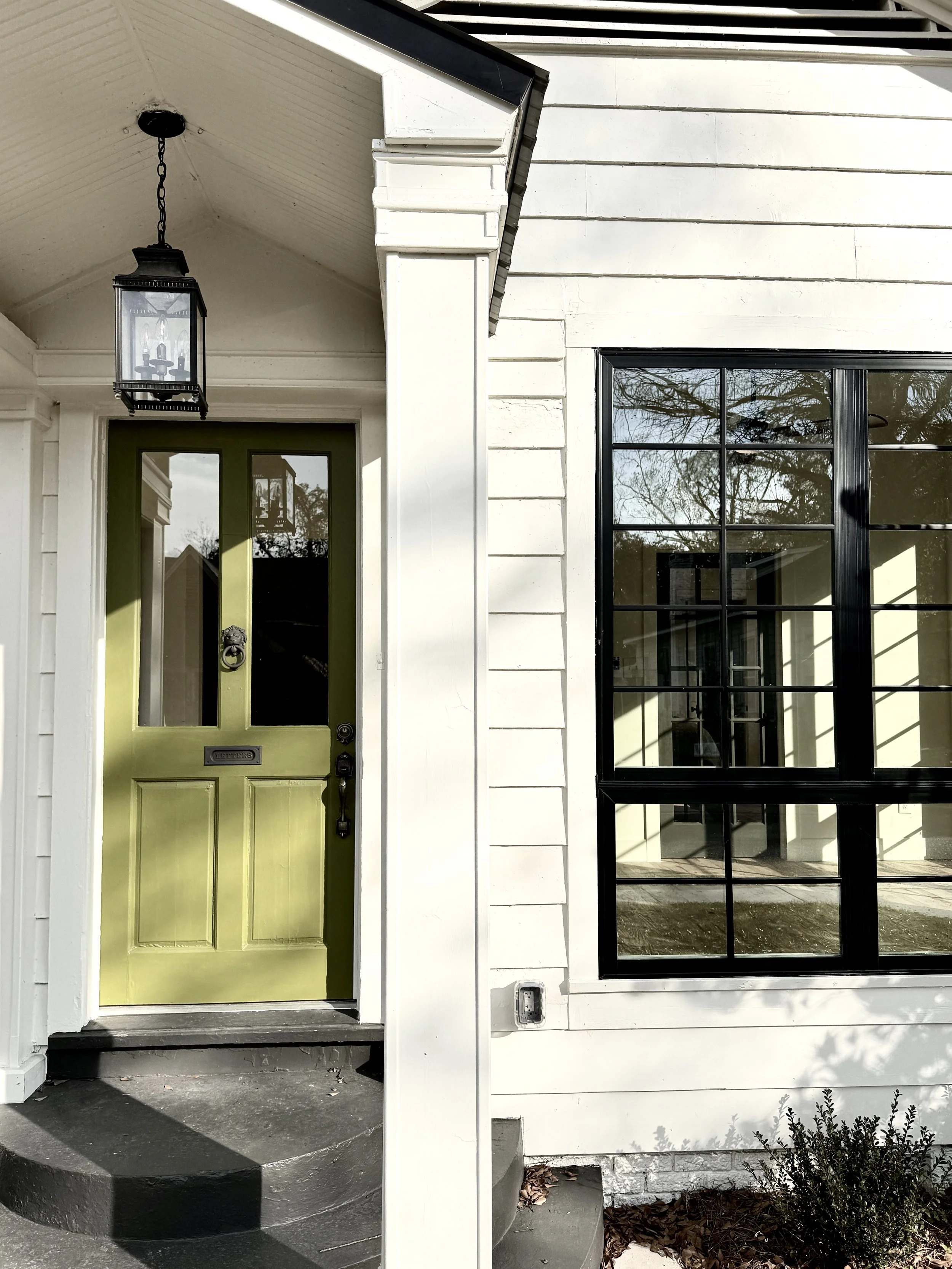
curb presentation (front door, landscaping, clean lines)
a photo plan that shows the home in a calm, honest way
If you want maximum buyer confidence, don’t try to make the home look “perfect.”
Make it look cared for, clear, and worth the price.
Buyer confidence: remove reasons to wait
This is the part most agents don’t explain well.
Buyers act when uncertainty is removed.
Buyer confidence isn’t hype. It’s a set of small signals that say:
this home is priced intentionally
this home has been presented well
the next step will be straightforward
What increases buyer confidence in week one
A listing description that clearly explains what the home is (features, layout, upgrades, lot, neighborhood)
Clean, consistent photos (and video if it helps)
Straightforward showing instructions
Quick, professional responses to questions
A “complete” feel: disclosures, known updates, key details not missing
This is also where modern search behavior matters. Buyers aren’t only scrolling portals anymore. They’re searching the way they talk:
“4 bedroom with a pool in West Mobile”
“Midtown Mobile home with character, updated kitchen”
“Move-in ready home near I-10 with a good layout”
The goal isn’t keyword stuffing. It’s clear language that matches how people actually search.

What a clean first week plan looks like
Here’s a simple week-one structure I use to keep sellers out of the reactive spiral.
Before you go live (7–10 days out)
tighten the plan: price signal + positioning
handle a realistic punch list
prepare the home for photos
decide what success looks like (showings, feedback quality, offer expectations)
Day 0 (launch day)
listing goes live with complete media and clear copy
showing availability is clean and predictable
you’re ready to respond quickly to real buyer questions
Days 1–3 (read the market)
We watch:
showing volume
buyer behavior (repeat showings, second looks)
consistent feedback themes
We ignore:
one-off opinions
noise from people who were never the buyer
panic
Day 7 (decide with data)
At the end of week one, the market has usually said something clear:
it’s pulling strongly (protect leverage)
it’s pulling softly (small adjustment)
it’s hesitating (bigger correction needed)
If change is needed, earlier is almost always better. One clean decision beats slow drift.
What this means for sellers in Mobile
If you’re selling in Midtown Mobile, West Mobile, or Theodore, you don’t need louder marketing. You need a clearer entry.
A clean first week is built from:
price signal
presentation match
buyer confidence
a simple plan to interpret feedback
That’s the advisory role. It’s not about pressure. It’s about clarity.
Quick FAQ
Do I need major updates before listing?
Not always. The goal is alignment. Sometimes small improvements and better presentation create the biggest change in buyer response.
Should I do an open house?
Sometimes, if it fits the home and the strategy. In many cases, clean access for qualified private showings matters more than foot traffic.
What if we list and nothing happens?
That usually means the market doesn’t understand the message. We adjust based on data, early, and keep decisions clean.
A simple next step
If you’re considering selling and want a clear opinion on positioning, I’m happy to share what I’m seeing in your specific pocket of the market.
or